


Breathing and Exchange of Gases – Complete NEET UG 2026 Guide
The chapter ‘Breathing and Exchange of Gases’ from Human Physiology is very important for NEET-UG aspirants. This guide highlights the most important concepts, exam-focused facts, common mistakes students make, and quick revision points for NEET 2026.
1. Basic Concept of Breathing
Breathing is the process by which oxygen enters the lungs, and carbon dioxide is removed from the body. Major steps involved in respiration include:
- Pulmonary ventilation (breathing)
- Diffusion of oxygen and carbon dioxide between alveoli and blood
- Transport of gases through the blood
- Exchange of gases between blood and tissues
- Cellular respiration inside cells
2. Human Respiratory System
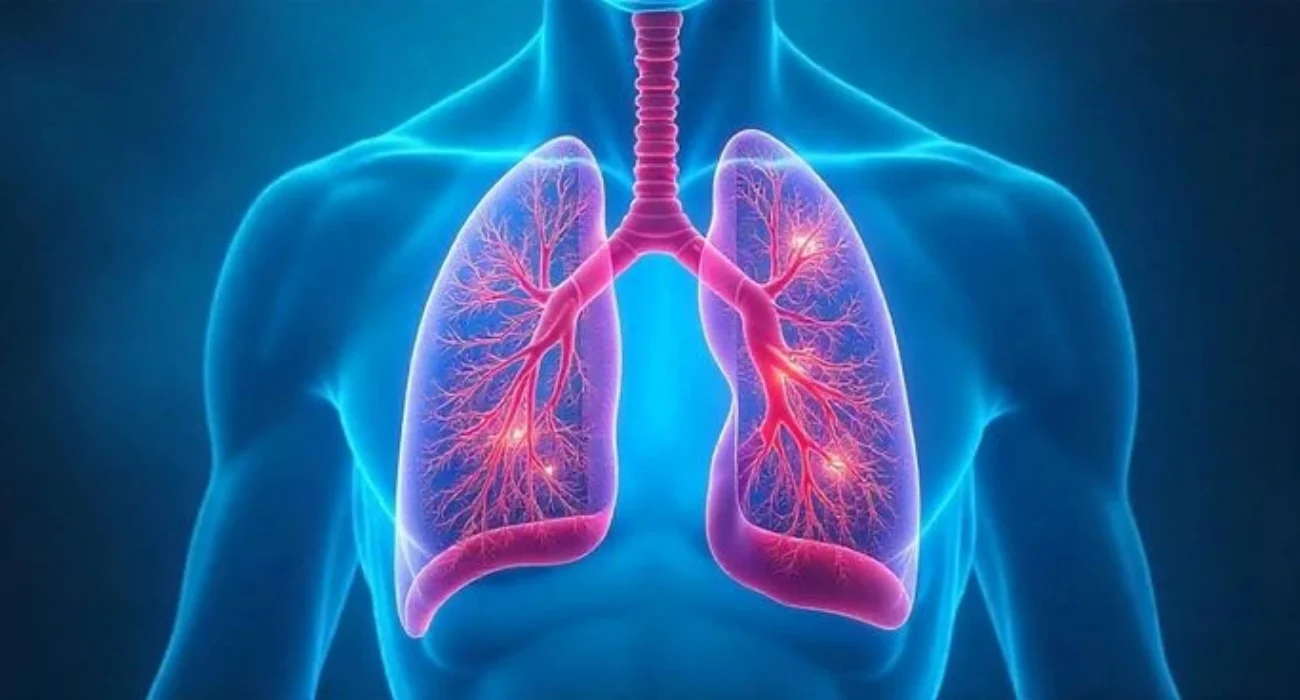
Air enters through the external nostrils and passes through the nasal cavity, pharynx, larynx, trachea, bronchi, bronchioles, and finally reaches the alveoli. Alveoli are the main sites of gaseous exchange.
3. Conducting Part vs Respiratory Part
Conducting Part – transports air, filters dust, and humidifies air.
Respiratory Part – where exchange of oxygen and carbon dioxide occurs.
4. Mechanism of Breathing
Inspiration: diaphragm contracts, thoracic volume increases, and air enters lungs.
Expiration: diaphragm relaxes, thoracic volume decreases, and air leaves lungs.
5. Respiratory Volumes
- Tidal Volume (TV): ~500 mL
- Inspiratory Reserve Volume (IRV): 2500–3000 mL
- Expiratory Reserve Volume (ERV): 1000–1100 mL
- Residual Volume (RV): 1100–1200 mL
6. Lung Capacities
- Inspiratory Capacity (IC) = TV + IRV
- Expiratory Capacity (EC) = TV + ERV
- Functional Residual Capacity (FRC) = ERV + RV
- Vital Capacity (VC) = IRV + TV + ERV
- Total Lung Capacity (TLC) = IRV + TV + ERV + RV
7. Exchange of Gases
Gas exchange in the alveoli occurs by diffusion. Oxygen moves from alveoli to blood while carbon dioxide moves from blood to alveoli due to partial pressure gradients.
8. Transport of Oxygen and Carbon Dioxide
- 97% oxygen is transported by hemoglobin in RBCs
- 3% oxygen is transported dissolved in plasma
- 70% carbon dioxide is transported as bicarbonate ions
- 20–25% carbon dioxide is transported as carbaminohemoglobin
- 7% carbon dioxide is transported dissolved in plasma
9. Regulation of Respiration
Respiratory rhythm is controlled by the respiratory center in the medulla and the pneumotaxic center in the pons.
10. Respiratory Disorders
Asthma – inflammation of the bronchi causing breathing difficulty.
Emphysema – damage to alveolar walls that reduces the respiratory surface.
11. Important NEET Revision Tips
- Remember the respiratory pathway from the nostrils to the alveoli.
- Memorize respiratory volume values (TV = 500 mL).
- The major transport form of CO2 is bicarbonate.
- Alveoli are the main site of gas exchange.
Respiration is regulated mainly by the medulla.