







Achieve your medical career goals at the premier national government medical university of Central Asia.
Al-Farabi Kazakh National University (KazNU), established in 1934 and designated as a national university in 2001, is the flagship higher education institution of Kazakhstan. Located in the vibrant cultural and economic hub of Almaty, it stands as one of the largest and oldest universities in Kazakhstan and Central Asia.
As a leading public research university, KazNU is highly regarded for its comprehensive academic ecosystem, strong research output, and state-of-the-art infrastructure—including modern techno parks and research institutes.
KazNU is an incredibly popular choice for international students, particularly from countries like India, looking to pursue affordable, high-quality medical studies.
| S.No. | Metric / Information Details | Data Value / Specifics |
|---|---|---|
| 1 | Total Student Enrollment | About 26,000 students |
| 2 | International Student Base | More than 2,500 students |
| 3 | Global Representation | Around 30 countries of origin |
| 4 | Alternative International Ranking Data | About 5,500 international students |
| 5 | International Student Percentage (Extended Data) | Around 28% of the total student body |
| 6 | Primary Local Languages of Instruction | Kazakh and Russian |
| 7 | Growing Global Language of Instruction | English (offered for specific subjects) |
| 8 | Key Institutional Support Programs | Student exchange, internships, and global academic mobility |
Al-Farabi Kazakh National University (KazNU) is highly regarded both at home and abroad, serving as a primary player in Central Asia for quality education, scientific breakthrough, and global academic collaboration.
Fully accredited and officially recognized by the Ministry of Science and Higher Education of Kazakhstan.
Medical programs are recognized by premier international medical bodies, including the World Health Organization (WHO / WDOMS) and the National Medical Commission (NMC) of India.
Unlike standalone medical schools, KazNU’s medical and health sciences programs are built into its comprehensive university ecosystem, giving students access to expansive cross-faculty academic networks.
Strongly positioned as a world-class institution, ranking #163 in the QS World University Rankings (2025) and consistently remaining within the global top 200.
Officially ranked as the number one university in Kazakhstan by the Independent Agency for Accreditation and Rating (IAAR).
Stands proudly as the only university in Kazakhstan to hold membership in the United Nations Academic Impact (UNAI) program.
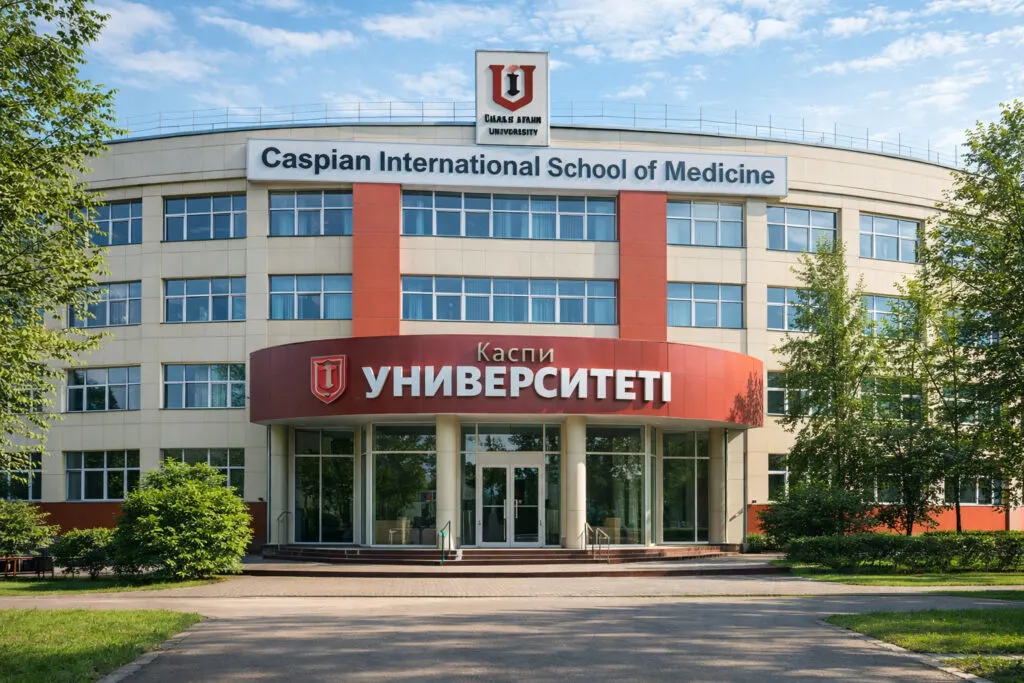
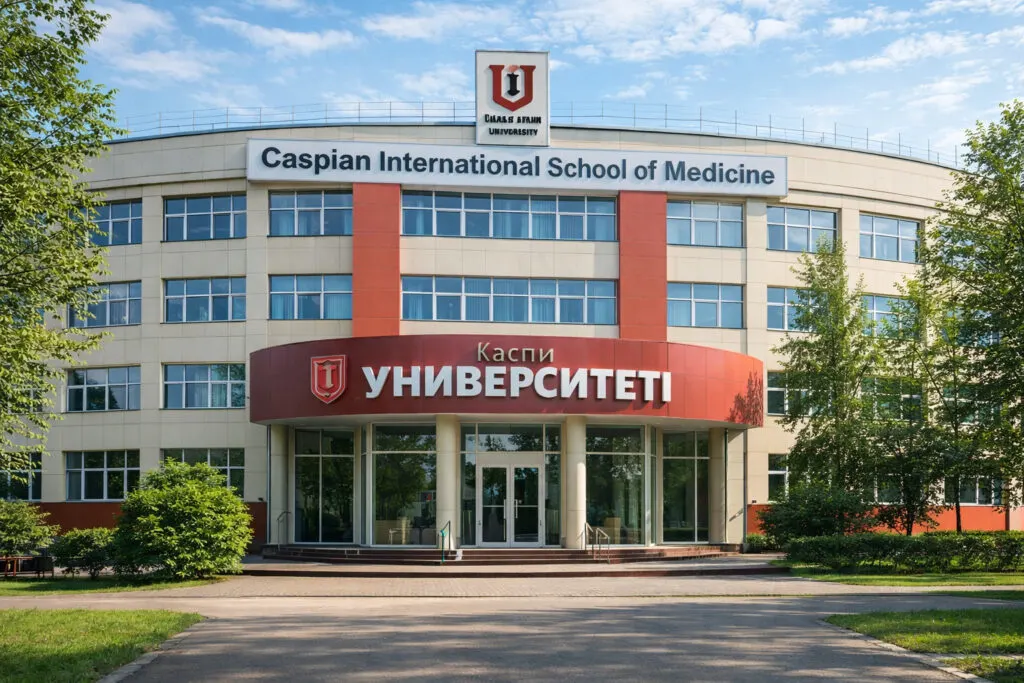
The Caspian International School of Medicine (CISM) boasts a large, distinguished faculty of over 200 professors, many of whom are internationally recognized scientists, qualified scholars, and renowned doctors. The academic team is deeply dedicated to the research, student growth, and career success of international medical aspirants through robust academic and industry partnerships.
CISM creates a well-rounded learning experience by blending traditional classroom structures with modern digital and practical infrastructure:
When choosing a medical school abroad, evaluating global standings and licensure examination performance is crucial. The Caspian International School of Medicine (CISM), under Caspian University, offers an affordable pathway for international students, though its ranking metrics and recent examination outcomes present important considerations for prospective applicants.
While Caspian University is recognized for its accessible, English-taught MBBS programs, it sits outside the top-tier global brackets:
For Indian medical students looking to return and practice in India, tracking performance in the Foreign Medical Graduate Exam (FMGE) is vital. The 2024 data reveals significant academic challenges for graduates from this institution:

| Aspects | Details |
|---|---|
| University Name | Caspian International School of Medicine |
| Founded Year | 1992 |
| Ranking |
Country Ranking: Ranked around 26th to 53rd (or 27th–48th by uniRank) in Kazakhstan. World Ranking: Positioned around #8000–9000 globally (specifically cited around 8807th to 9160th by sources like uniRank, RMC Education, and Select Your University). QS Rankings: Not typically featured in the top strata of the specific QS Medicine Subject Rankings. Accreditation: Recognized by the WHO and NMC (National Medical Commission of India), making its MBBS valid in many countries. Focus: Known for affordable, English-taught MBBS programs with international student appeal. |
| Month | Average Low (°C) | Average High (°C) |
|---|---|---|
| January | -10°C (14°F) | -2°C (28°F) |
| February | -9°C (16°F) | -1°C (30°F) |
| March | -3°C (27°F) | 6°C (43°F) |
| April | 3°C (37°F) | 13°C (55°F) |
| May | 7°C (45°F) | 18°C (64°F) |
| June | 11°C (52°F) | 23°C (73°F) |
| July | 14°C (57°F) | 27°C (81°F) |
| August | 13°C (55°F) | 25°C (77°F) |
| September | 9°C (48°F) | 20°C (68°F) |
| October | 2°C (36°F) | 12°C (54°F) |
| November | -5°C (23°F) | 4°C (39°F) |
| December | -9°C (16°F) | -1°C (30°F) |
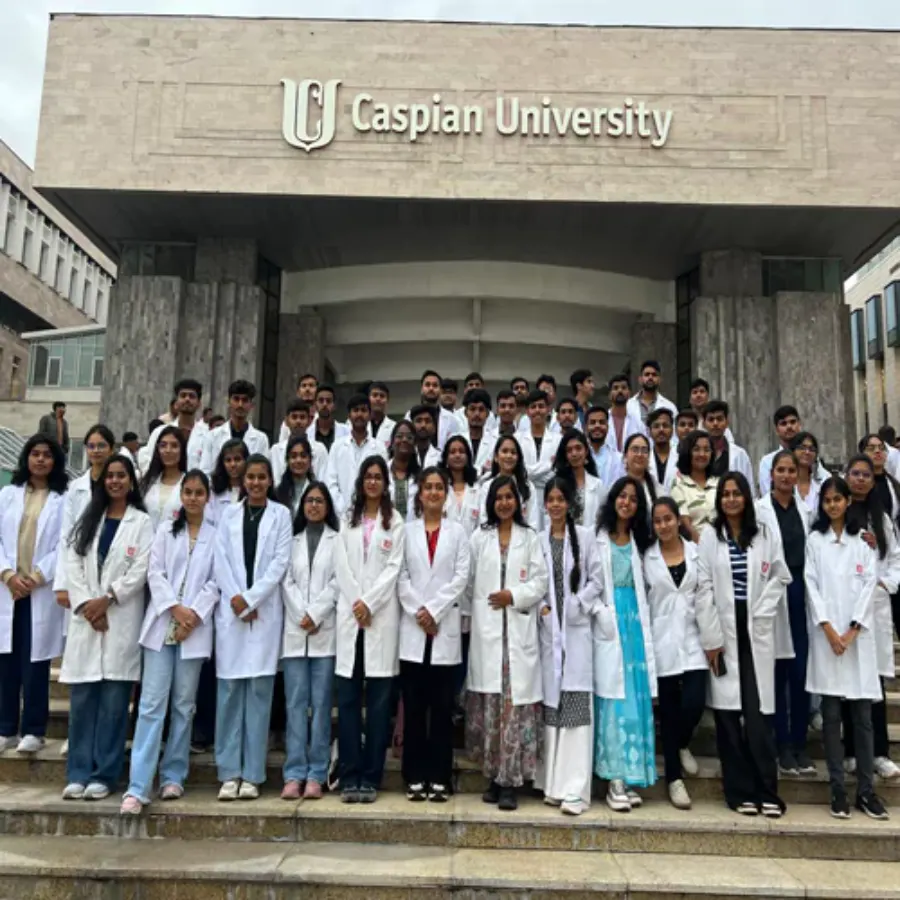
The university hosts a thriving global campus, with a total student population exceeding 5,000+ total students enrolled across diverse academic tracks. A significant portion of this student body consists of international students pursuing their MBBS/MD credentials, making it a hub for global medical education.
The campus features a diverse multicultural network, with an exceptionally strong representation from South Asia and beyond:
Current Enrollments: There are 350+ Indian students currently enrolled in the medical program.
Proven Track Record: The university reports thousands of Indian graduates over the years, demonstrating a long-standing, trusted presence among international student circles.
Global Diversity: International students arrive from a wide array of regions and countries, including:
To maintain international training standards and bridge cultural transitions, the university focuses heavily on personalized peer dynamics:
Small Class Sizes: Classes for international students are structurally divided into small, focused cohorts of about 12–15 foreign students.
Enhanced Learning: This intentionally small group size fosters closer student-teacher dynamics, improves peer interaction, and ensures better academic focus during complex medical coursework.
The university welcomes medical aspirants from over 30+ countries worldwide, creating a rich cross-cultural learning environment. Key countries of origin include:
Stop guessing your way through complex college admissions and subject streams.
Connect with our experts today for flexible online or offline counselling sessions.
Get a clear, honest, and stress-free roadmap toward a successful medical career for your child.